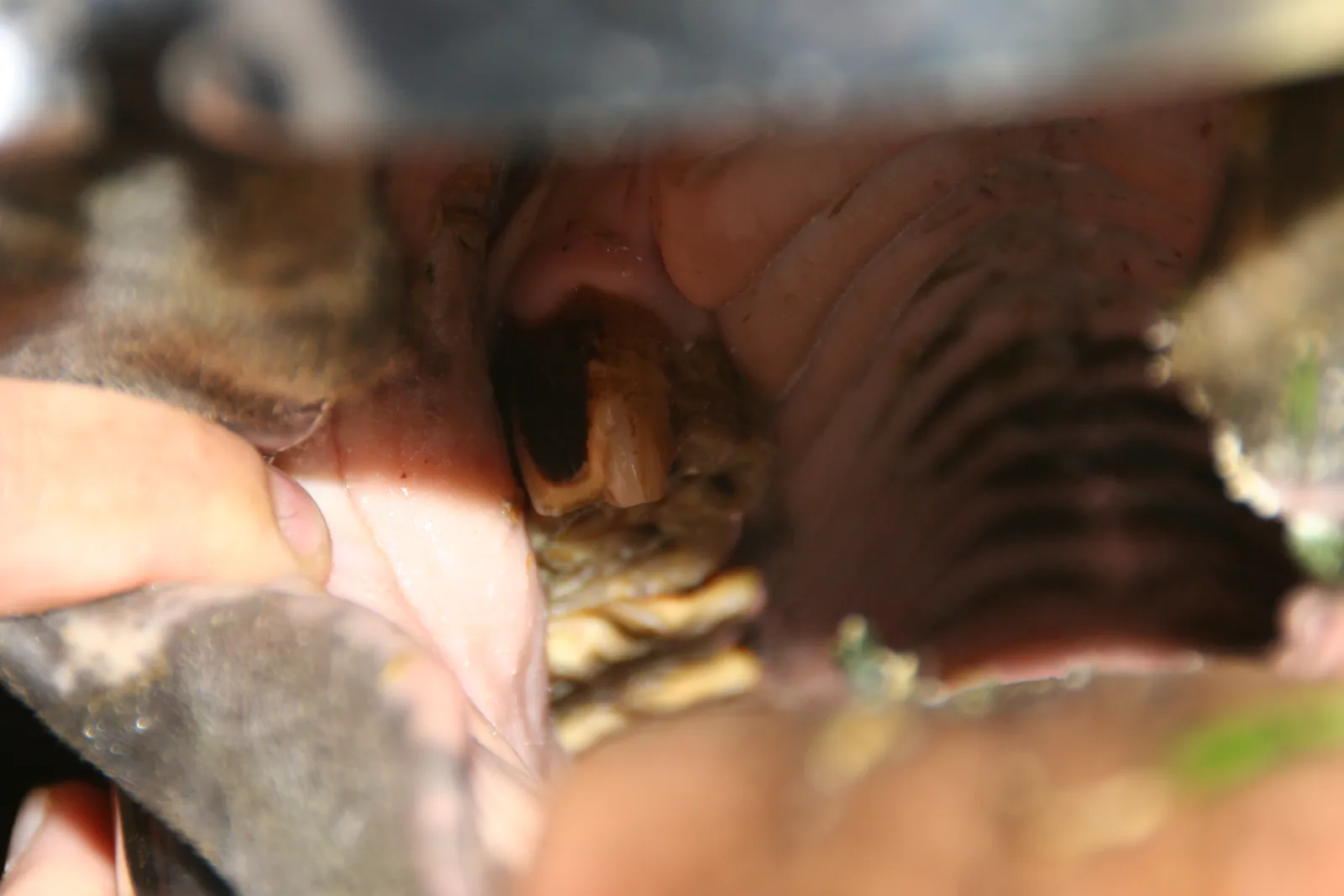
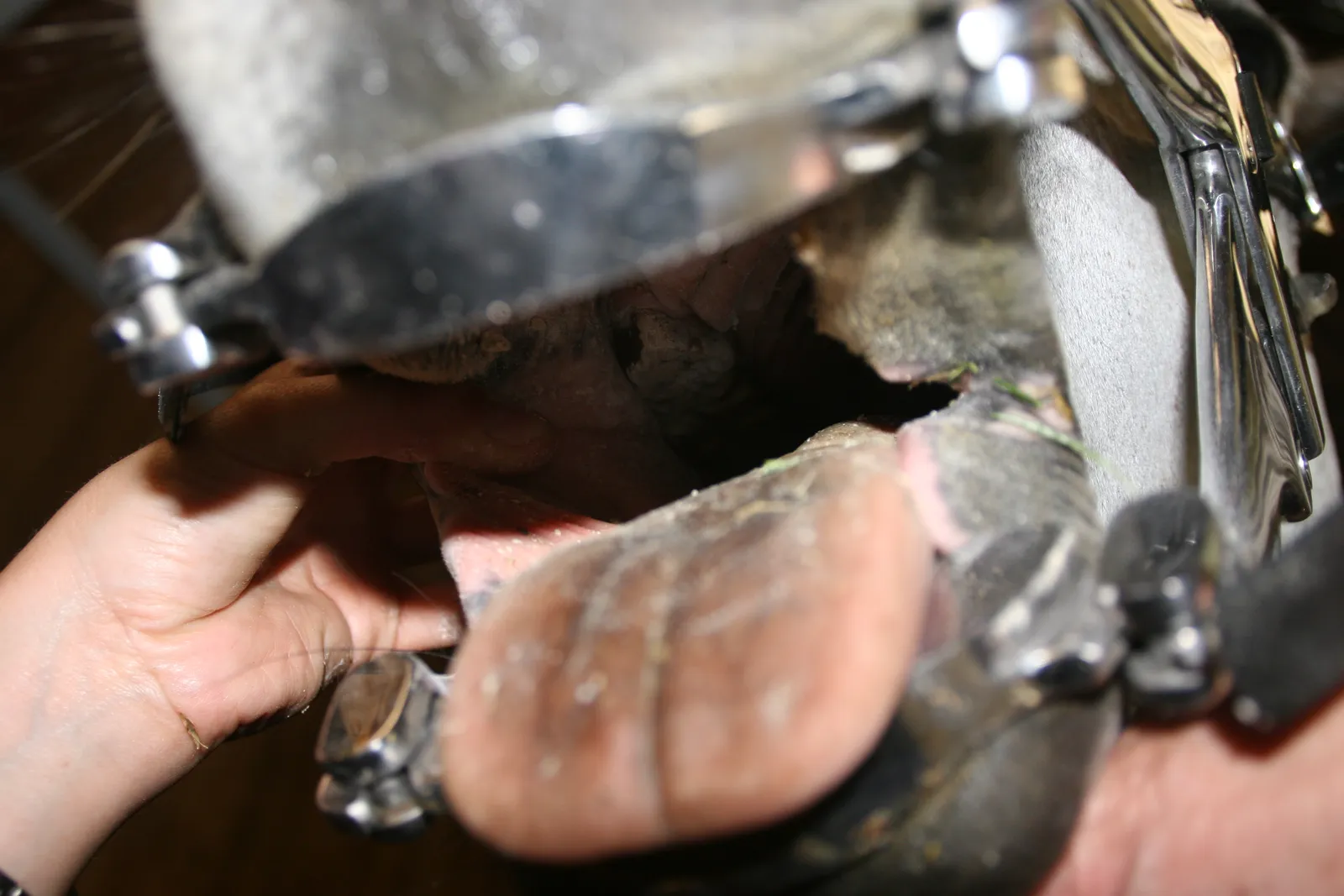
We carry out dental treatments for dogs, cats, small pets and horses. Depending on the species, this ranges from ultrasonic scaling to the correction of teeth and, for horses, work carried out at your stable.
Dogs and cats
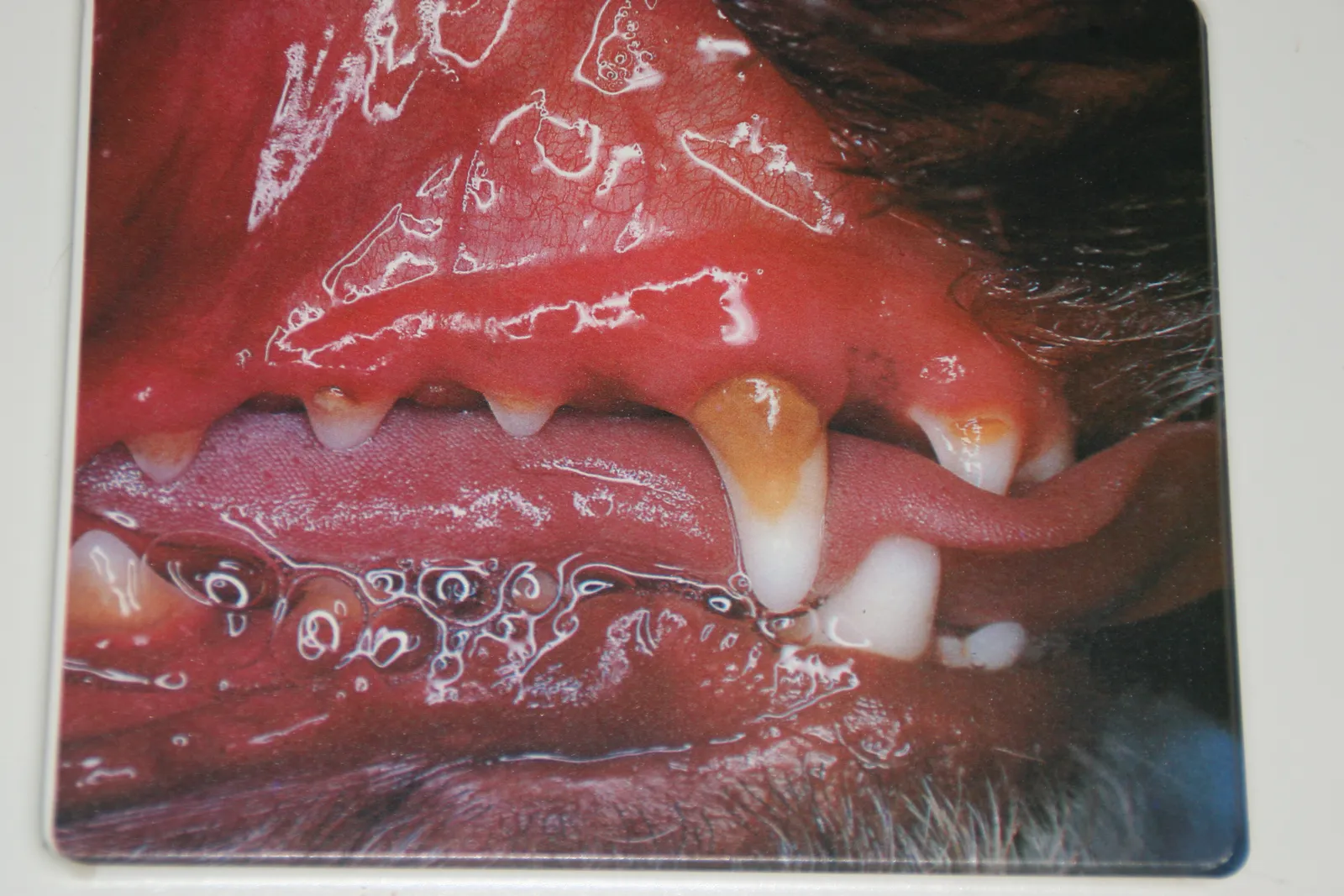
In dogs and cats, the formation of tartar is usually the first visible problem. Secondary changes to the gums and teeth can follow.
Tartar is removed by scaling with ultrasound. Because of the unpleasant sound and the water spray, this treatment is only carried out under general anaesthetic, even with very well-behaved pets. We use inhalation anaesthesia with monitoring by ECG, breath monitoring and measurement of carbon dioxide and oxygen – also in older animals.
If you notice tartar on your pet's teeth, please contact our team in good time.
Small pets: guinea pigs and rabbits
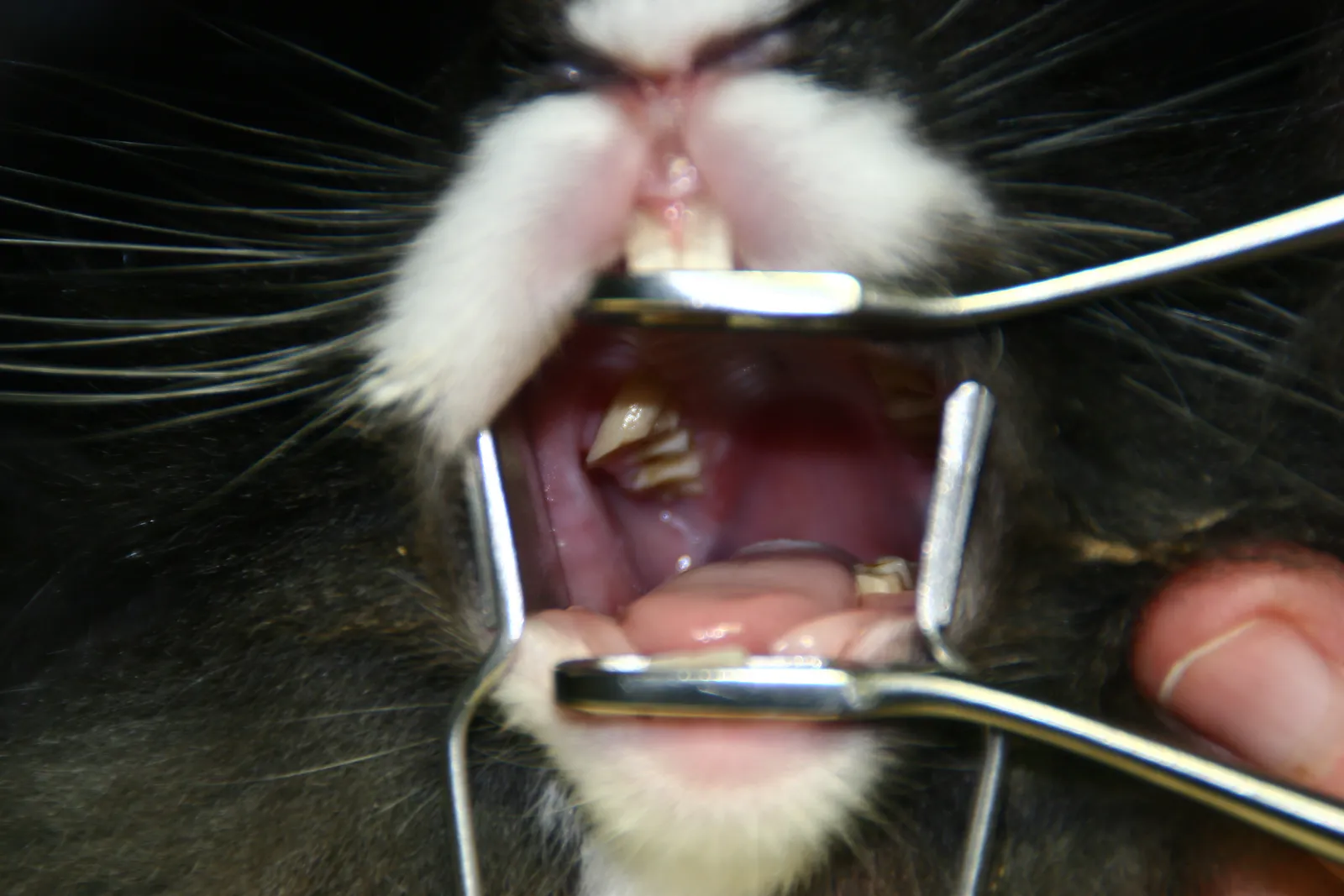
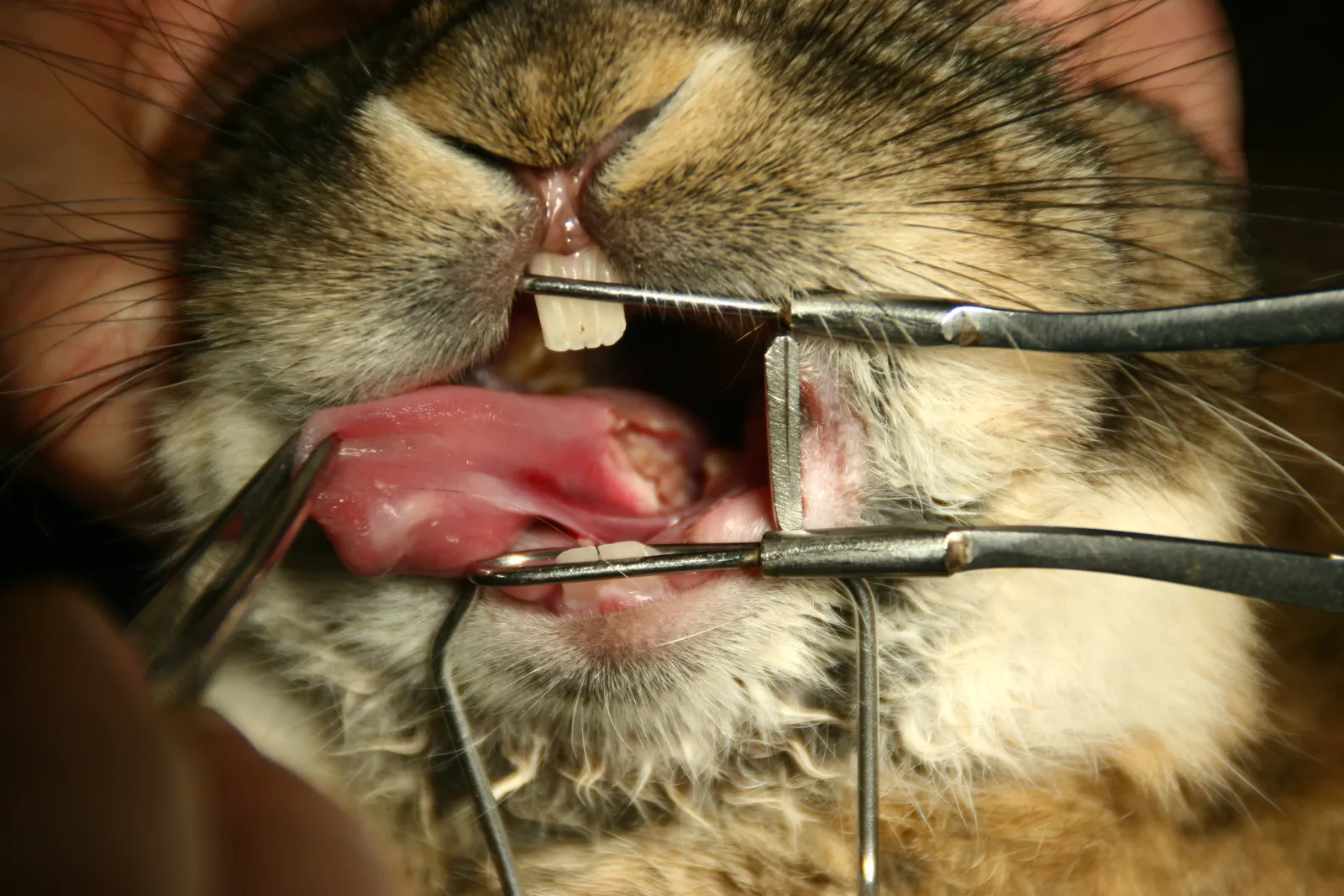
With small pets such as guinea pigs and rabbits, the focus is on dentition faults – above all teeth that have grown too long or crooked. Such malpositioning can lead to injuries of the tongue and gums and to poor food intake and emaciation.
- Incisor teeth: we can shorten these without anaesthesia.
- Back teeth: corrections here require anaesthesia.
For small pets we always use inhalation anaesthesia with monitoring via ECG and pulse oximetry, in order to keep the anaesthesia to a minimum.
Horses
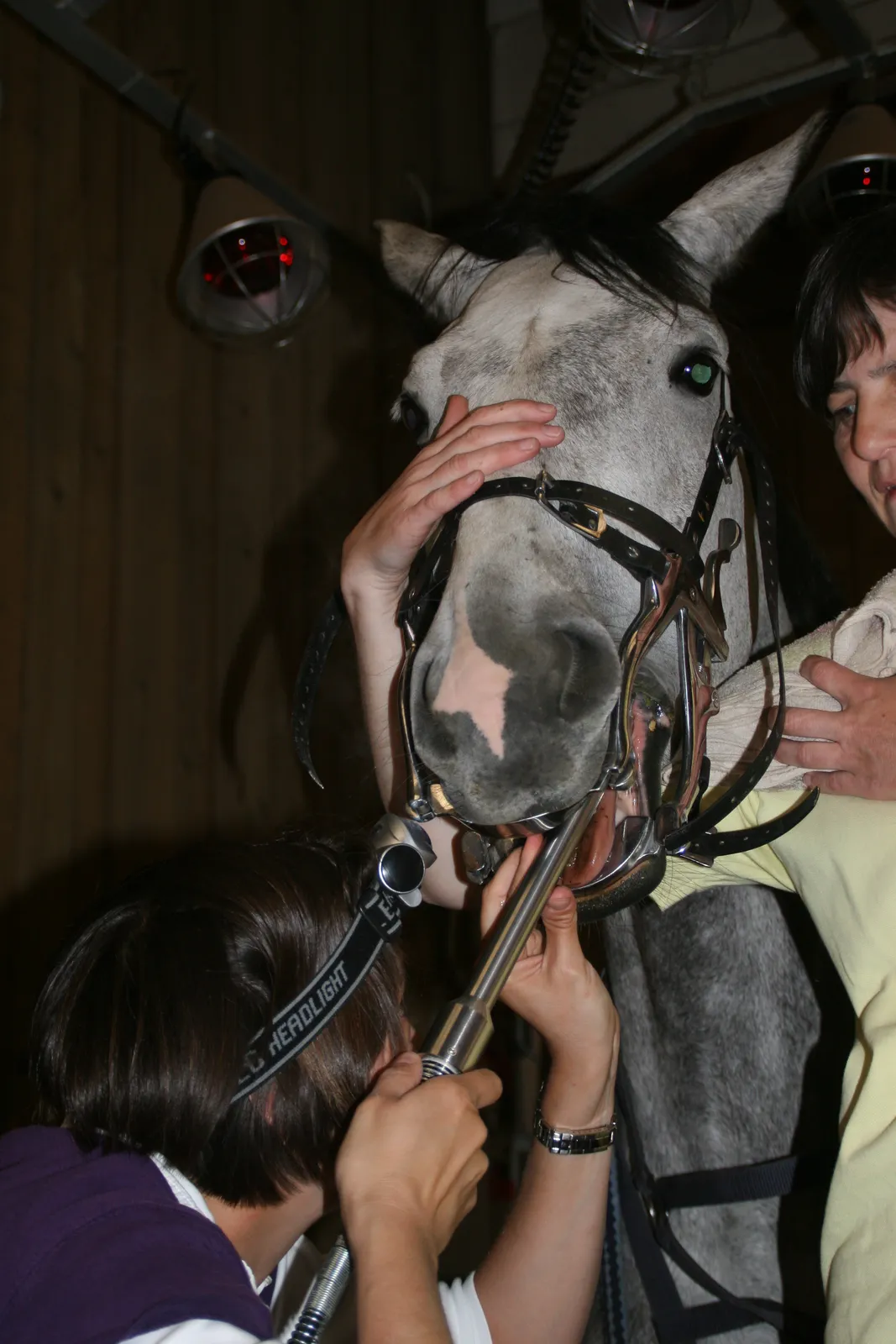
In horses, dental problems can show themselves in various ways: emaciation, unwillingness when being ridden, unwillingness when using a snaffle or poor food intake may point to malpositions in the horse's mouth.
The background is the uneven abrasion of the steadily growing back teeth, which can result in sharp edges, overly long teeth or malpositions. The properties of modern forage and the times of food intake also differ considerably from the original way of life of wild horses. In addition, breeding efforts towards smaller or slimmer heads leave less space for the teeth in the oral cavity, so malpositions occur more frequently.
For these reasons, a regular dental check – and corrections where necessary – is important.
Equipment and on-site treatment
Our surgery is equipped with a state-of-the-art horse teeth grinding machine and hand graters. Interventions and corrections on horses are of course carried out at your site.